
stem cell
science
in discovery. in human health.
forums
that bring us together.

Join us in San Francisco, USA for the most comprehensive gathering in stem cell research.
15-18 June 2027



Join us in Copenhagen, Denmark for the most comprehensive gathering in stem cell research.
27-30 June 2028

Join us in Kyoto, Japan for the most comprehensive gathering in stem cell research.
26-29 June 2029
guidance
and foresight
that shape the field.

New member resource connects researchers with manufacturing expertise, advancing the ISSCR’s commitment to clinical readiness and responsible translation of stem cell research
The International Society for Stem Cell Research (ISSCR) today announced the launch of its new ISSCR CDMO Directory, a web-based screening resource designed to help researchers identify contract development and manufacturing organizations (CDMOs) with capabilities relevant to advancing stem cell research toward clinical applications.
Available to the ISSCR’s nearly 5,000 members worldwide, the directory provides a centralized resource for exploring manufacturing capabilities of potential partners. The initiative reflects the Society’s strategic commitment to strengthening clinical readiness and providing researchers with practical tools and resources to help navigate the complex path from scientific discovery to clinical translation.
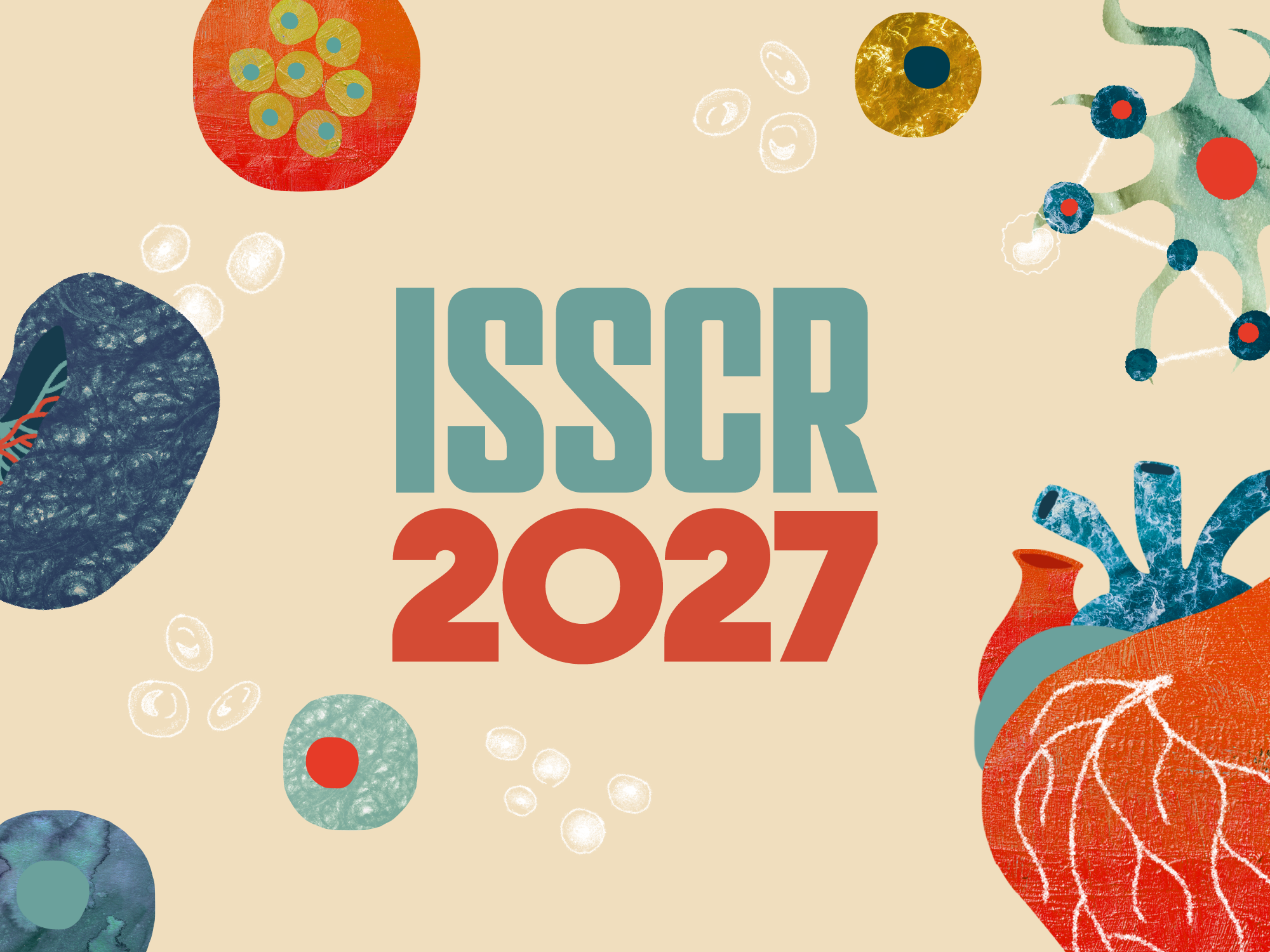
The field’s premier convening returns to San Francisco, 15-18 June 2027, spanning breakthroughs in basic biology, advances in disease modeling and drug discovery, and new clinical data on cell-based therapies, with AI advancing work across all three.
The International Society for Stem Cell Research (ISSCR) has opened registration and abstract submissions for the ISSCR 2027 Annual Meeting, taking place 15-18 June 2027 at Moscone West in San Francisco, California, USA. Marking the 25th anniversary of the ISSCR Annual Meeting, this hallmark event will bring together the global stem cell community to share groundbreaking discoveries, explore transformative technologies, and advance the future of stem cell science and regenerative medicine.

The International Society for Stem Cell Research (ISSCR) is developing a new CDMO Directory, a web-based resource designed to help Society members identify contract development and manufacturing organizations (CDMOs) with capabilities relevant to their research and clinical translation needs.
Led by the ISSCR Manufacturing, Clinical Translation, and Regulatory (MCTR) Committee, the directory is intended to help bridge the gap between researchers and manufacturers by consolidating key information about participating CDMOs in one centralized resource. The directory will be available to the ISSCR’s nearly 5,000 members across the world staring on 19 October.
CDMOs may participate in the directory by completing a questionnaire developed to capture information researchers consider important when selecting a manufacturing partner. Responses are used to populate each organization’s profile. Through the CDMO Directory, the ISSCR is providing researchers moving toward clinical translation with a practical resource for exploring manufacturing capabilities and beginning conversations with potential partners.

On 1 September, the ISSCR submitted comments to the Food and Drug Administration’s draft guidance for Leveraging Prior Knowledge in the Development of Human Gene Therapy Products Incorporating Genome Editing. ISSCR supports FDA’s desire to share the Agency’s current thinking on the type of prior knowledge (i.e., public and platform knowledge) that may be scientifically appropriate to leverage to advance product development.
research
published here first.
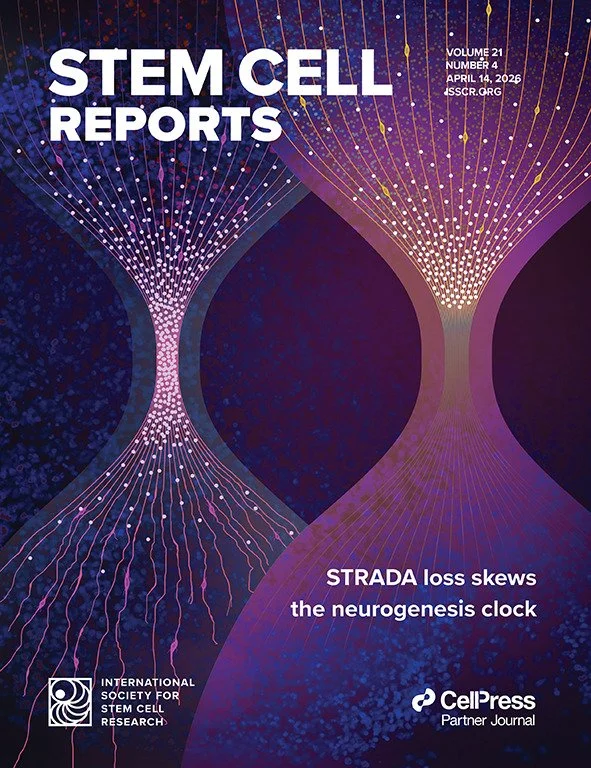
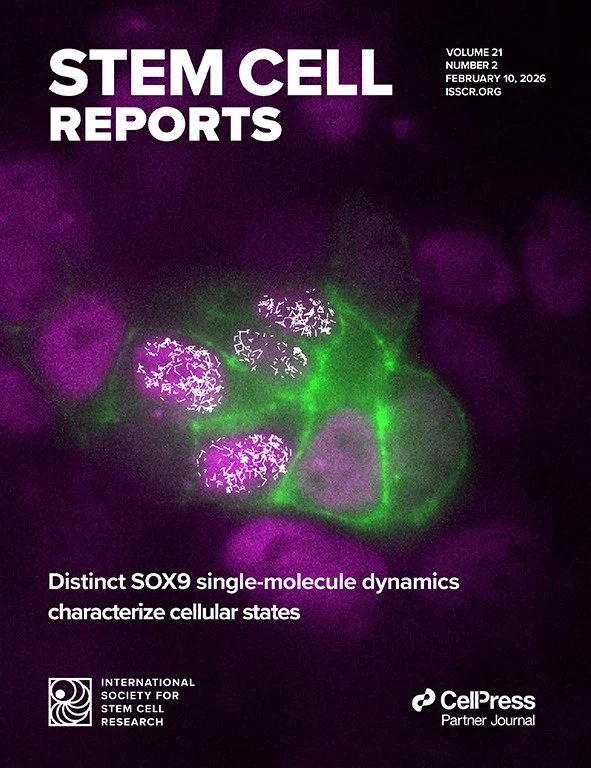
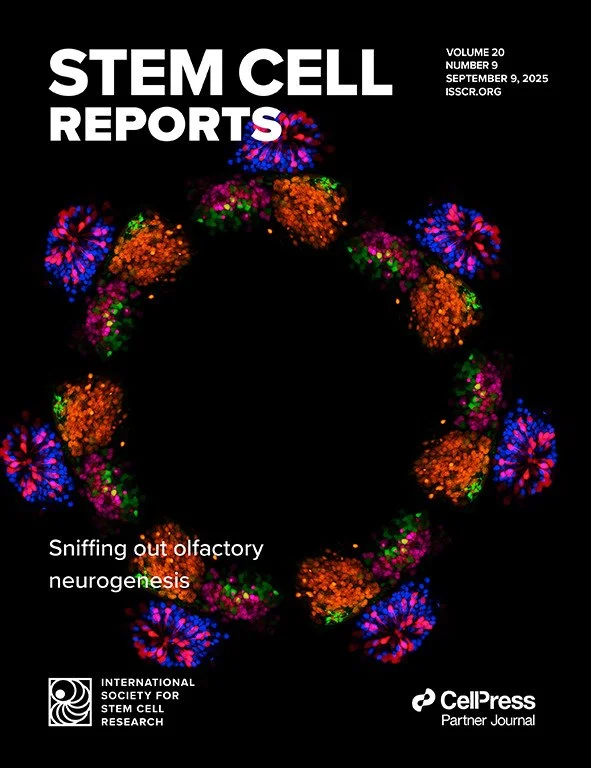
Stem Cell Reports is an open access forum communicating basic discoveries in stem cell research, in addition to translational and clinical studies. Stem Cell Reports focuses on manuscripts that report original research with conceptual or practical advances that are of broad interest to stem cell biologists and clinicians.

members
who move us forward.
5,000 members
80+ countries represented

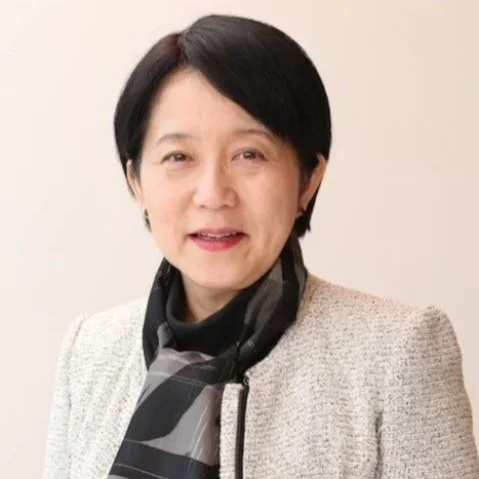
Because my work spans several fields, I can sometimes feel like an outsider. The ISSCR is the exception. It was the first scientific society I joined, and it remains the one where I feel most fully at home, both scientifically and personally. I deeply value the community I have come to know through the society, and I am eager to help ensure its continued success.
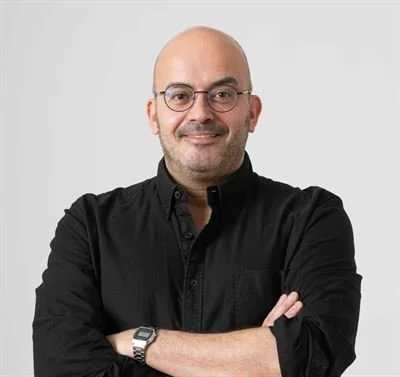
What I value most about ISSCR is the global, multidisciplinary community. Stem cell science advances quickly, but translation to patients requires shared standards, open discussion, ethical reflection, and international trust.
ISSCR provides an unparalleled global community and evolving standards that bring together scientific excellence, ethical leadership, and collaboration. I value the society’s role in educating patients and convening international dialogue at conferences and symposiums.

ISSCR provides an unparalleled global community and evolving standards that bring together scientific excellence, ethical leadership, and collaboration. I value the society’s role in educating patients and convening international dialogue at conferences and symposiums.

ISSCR provides an essential forum for exchanging ideas across disciplines and career stages. I value the society’s commitment to rigor, education, and thoughtful discussion about the future of stem cell research. It’s a community that consistently pushes the field forward.

ISSCR provides an unparalleled global community and evolving standards that bring together scientific excellence, ethical leadership, and collaboration. I value the society’s role in educating patients and convening international dialogue at conferences and symposiums.
news
and voices
that keep us connected.

Global stem cell research community to gather 26-29 June 2029 with support from CiRA, Kyoto University, and the Japanese Society for Regenerative Medicine
The International Society for Stem Cell Research (ISSCR) is pleased to announce that its 2029 Annual Meeting will take place 26–29 June 2029 in Kyoto, Japan. The meeting will be held with the support of the Center for iPS Cell Research and Application (CiRA), Kyoto University, and the Japanese Society for Regenerative Medicine (JSRM), bringing the world’s leading stem cell scientists, clinicians, industry innovators, and other stakeholders together in one of the most influential centers for stem cell research and regenerative medicine.
New member resource connects researchers with manufacturing expertise, advancing the ISSCR’s commitment to clinical readiness and responsible translation of stem cell research
The International Society for Stem Cell Research (ISSCR) today announced the launch of its new ISSCR CDMO Directory, a web-based screening resource designed to help researchers identify contract development and manufacturing organizations (CDMOs) with capabilities relevant to advancing stem cell research toward clinical applications.
Available to the ISSCR’s nearly 5,000 members worldwide, the directory provides a centralized resource for exploring manufacturing capabilities of potential partners. The initiative reflects the Society’s strategic commitment to strengthening clinical readiness and providing researchers with practical tools and resources to help navigate the complex path from scientific discovery to clinical translation.

Sold-out ISSCR symposium underscores extraordinary global interest in stem cell science, from fundamental discoveries to clinical translation and emerging stem cell therapies
The International Society for Stem Cell Research (ISSCR) today opens its international symposium celebrating the 20th anniversary of induced pluripotent stem (iPS) cell technology, bringing together scientists, clinicians, and innovators from around the world to reflect on two decades of transformative discoveries and explore the future of stem cell research and regenerative medicine.
The three-day symposium, held 20–22 October in Kyoto, Japan, is organized in partnership with the Center for iPS Cell Research and Application (CiRA) and co-sponsored by the Japanese Society for Regenerative Medicine (JSRM).
The extraordinary response to the symposium underscores the strength and momentum of stem cell science worldwide. Registration reached capacity twice, even after the ISSCR expanded the meeting to a larger venue to accommodate growing demand. This remarkable level of interest reflects both the profound impact of iPSC technology over the past two decades and the expanding opportunities ahead, from fundamental discoveries in human biology to advances in disease modeling, drug discovery, clinical translation, and the development of stem cell-based therapies.

Nicotine exposure during pregnancy and shortly after birth caused lasting changes to the blood-forming stem cells and the developing immune system in mice, including a more damaging response to influenza infection later in life, researchers found.
The research team, led by Camilla Forsberg at the University of California, Santa Cruz, USA, exposed pregnant mice to nicotine to investigate the effects of perinatal nicotine exposure (PNE) to the blood building system. The researchers found that offspring exposed to nicotine had fewer blood-forming stem cells, the cells that produce mature effector immune cells and altered patterns of immune regulatory genes within these cells. These changes persisted into adulthood, even though nicotine exposure ended shortly after birth. The findings were published today in Stem Cell Reports.
Stem Cell Reports, the official journal of the International Society for Stem Cell Research (ISSCR), has been named the Official Meeting Journal of the Australasian Society for Stem Cell Research (ASSCR) 2026 Annual Scientific Meeting, taking place 9-11 November 2026 at The Glasshouse in Melbourne, Australia.
Under the theme “Brewing Innovation,” ASSCR 2026 will bring together researchers and leaders in stem cell science and regenerative medicine to share new discoveries, explore emerging technologies, and foster scientific collaboration across the Australasian research community and beyond.
The field’s premier convening returns to San Francisco, 15-18 June 2027, spanning breakthroughs in basic biology, advances in disease modeling and drug discovery, and new clinical data on cell-based therapies, with AI advancing work across all three.
The International Society for Stem Cell Research (ISSCR) has opened registration and abstract submissions for the ISSCR 2027 Annual Meeting, taking place 15-18 June 2027 at Moscone West in San Francisco, California, USA. Marking the 25th anniversary of the ISSCR Annual Meeting, this hallmark event will bring together the global stem cell community to share groundbreaking discoveries, explore transformative technologies, and advance the future of stem cell science and regenerative medicine.
The International Society for Stem Cell Research (ISSCR) is developing a new CDMO Directory, a web-based resource designed to help Society members identify contract development and manufacturing organizations (CDMOs) with capabilities relevant to their research and clinical translation needs.
Led by the ISSCR Manufacturing, Clinical Translation, and Regulatory (MCTR) Committee, the directory is intended to help bridge the gap between researchers and manufacturers by consolidating key information about participating CDMOs in one centralized resource. The directory will be available to the ISSCR’s nearly 5,000 members across the world staring on 19 October.
CDMOs may participate in the directory by completing a questionnaire developed to capture information researchers consider important when selecting a manufacturing partner. Responses are used to populate each organization’s profile. Through the CDMO Directory, the ISSCR is providing researchers moving toward clinical translation with a practical resource for exploring manufacturing capabilities and beginning conversations with potential partners.
“It’s unlikely that one person or one lab will solve a problem as big as degenerative diseases...It takes a community of people in an area to solve a big problem.”
— Doug Melton, PhD | ISSCR Founding Member and Vertex Pharmaceuticals Distinguished Fellow
In 2006, Kazutoshi Takahashi and Shinya Yamanaka at Kyoto University published their landmark paper showing that mouse skin cells could be reprogrammed to an embryonic-like state using just four transcription factors. Over the past two decades, this finding has taken the field of stem cell research in many new directions, opening new ways to study human development, understand and engineer cell fate, model disease, and explore new stem cell–based approaches to medicine. As part of the 20th anniversary celebration of induced pluripotent stem (iPS) cells, we invite leaders in the field to reflect on how the discovery of iPS cells has impacted their own research and the field of stem cell research and its applications more broadly. Together, their stories offer personal insights into how iPS cells have changed stem cell research forever.