
stem cell
science
in discovery. in human health.

In Collaboration with the Allen Institute and the Society for Development Biology
Seattle, USA
23-25 September 2026


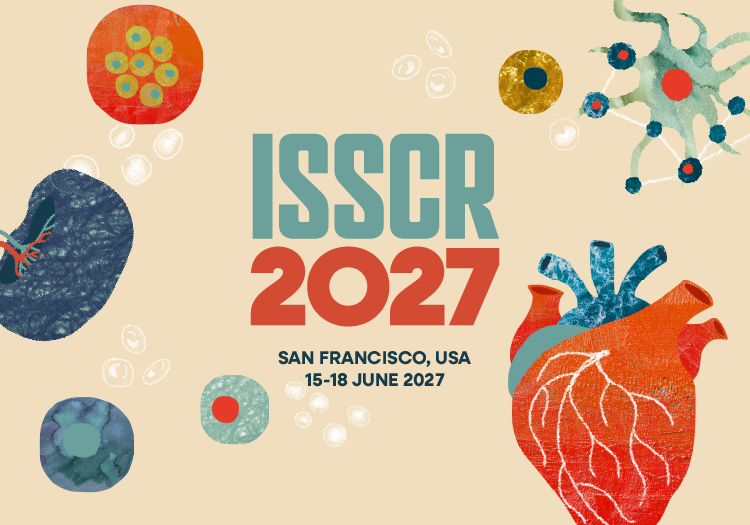
Join us in San Francisco, USA for the most comprehensive gathering in stem cell research.
15-18 June 2027



Join us in Copenhagen, Denmark for the most comprehensive gathering in stem cell research.
27-30 June 2028
forums
that bring us together.
guidance
and foresight
that shape the field.

The ISSCR submitted comments on proposed regulations from the U.S. Office of Management and Budget (OMB) that would reshape how the U.S. federal government funds scientific research. Among other changes, the proposed regulations would de-emphasize merit-based review of scientific grant applications and instead establish a political review process, enable mid-stream grant cancellations without cause, and place restrictions or significant bureaucratic burdens on international research collaborations. As outlined in the comment letter, these proposed changes would have harmful impacts to the progress of stem cell research and its translation to the clinic. Given this, the ISSCR respectfully urged OMB to withdraw the proposed regulations.

The ISSCR joined more than 110 organizations in the cell and gene therapy sector to urge congressional appropriators to provide at least $51.303 billion for the National Institutes of Health (NIH) for fiscal year 2027. This funding level would represent a robust investment in important biomedical research and a meaningful increase over enacted fiscal year 2026 levels. NIH funding remains foundational to the continued advancement of stem cell research. Strong support for NIH will ensure the continued translation of stem cell research into the clinic and to the lives of patients. In addition to the funding request, the letter urges the timely distribution of NIH funding to ensure biomedical research can continue without disruption.
The International Society for Stem Cell Research (ISSCR) held its second Broader Scope Scientific Advice meeting with the United Kingdom’s Medicines and Healthcare products Regulatory Agency (MHRA) on October 29, 2025, focusing on the use of artificial intelligence (AI) in developing stem cell therapies.
The session explored key topics including the current state and challenges of AI, machine learning, and digitalization systems for automation in cell and gene therapy; applications of AI in autologous iPSC-derived RPE cell therapy; and AI-based image analysis for in-process characterization and decision-making during iPSC generation.
research
published here first.
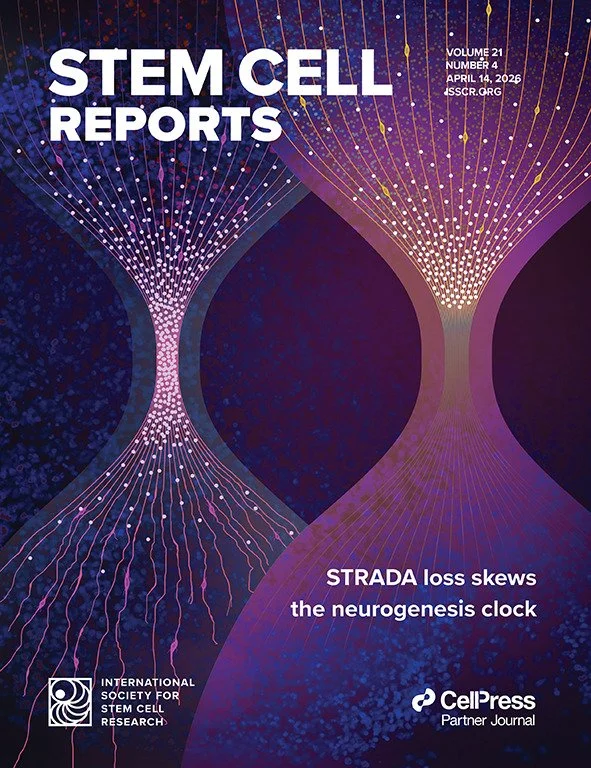
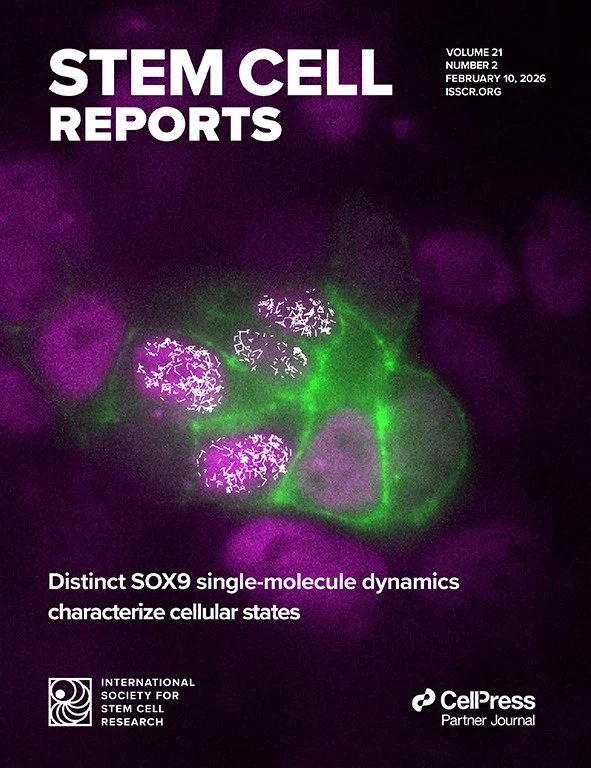
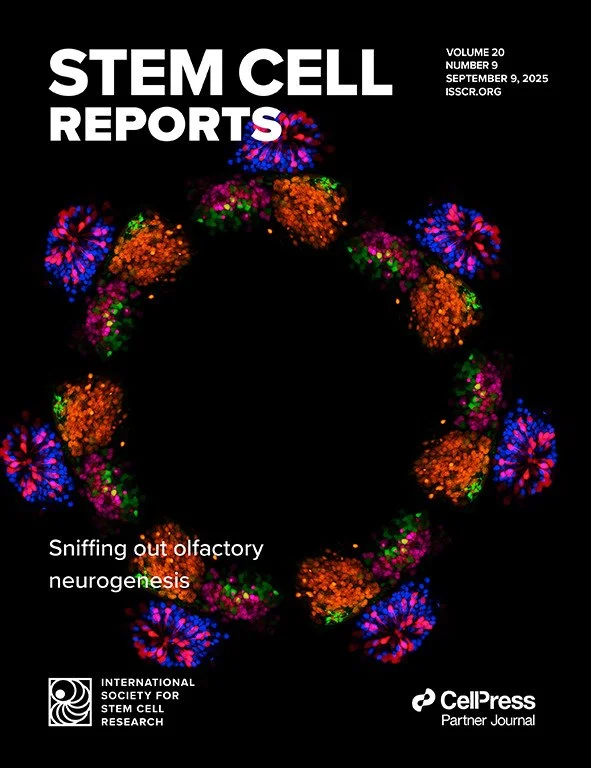
Stem Cell Reports is an open access forum communicating basic discoveries in stem cell research, in addition to translational and clinical studies. Stem Cell Reports focuses on manuscripts that report original research with conceptual or practical advances that are of broad interest to stem cell biologists and clinicians.

members
who move us forward.
5,000 members
80+ countries represented
Because my work spans several fields, I can sometimes feel like an outsider. The ISSCR is the exception. It was the first scientific society I joined, and it remains the one where I feel most fully at home, both scientifically and personally. I deeply value the community I have come to know through the society, and I am eager to help ensure its continued success.
What I value most about ISSCR is the global, multidisciplinary community. Stem cell science advances quickly, but translation to patients requires shared standards, open discussion, ethical reflection, and international trust.
ISSCR provides an unparalleled global community and evolving standards that bring together scientific excellence, ethical leadership, and collaboration. I value the society’s role in educating patients and convening international dialogue at conferences and symposiums.

ISSCR provides an unparalleled global community and evolving standards that bring together scientific excellence, ethical leadership, and collaboration. I value the society’s role in educating patients and convening international dialogue at conferences and symposiums.
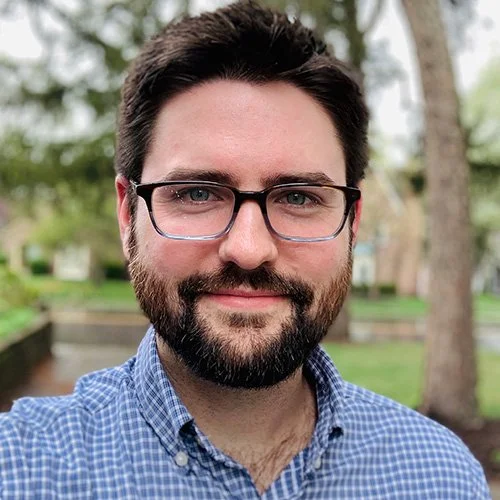
ISSCR provides an essential forum for exchanging ideas across disciplines and career stages. I value the society’s commitment to rigor, education, and thoughtful discussion about the future of stem cell research. It’s a community that consistently pushes the field forward.

ISSCR provides an unparalleled global community and evolving standards that bring together scientific excellence, ethical leadership, and collaboration. I value the society’s role in educating patients and convening international dialogue at conferences and symposiums.
news
and voices
that keep us connected.
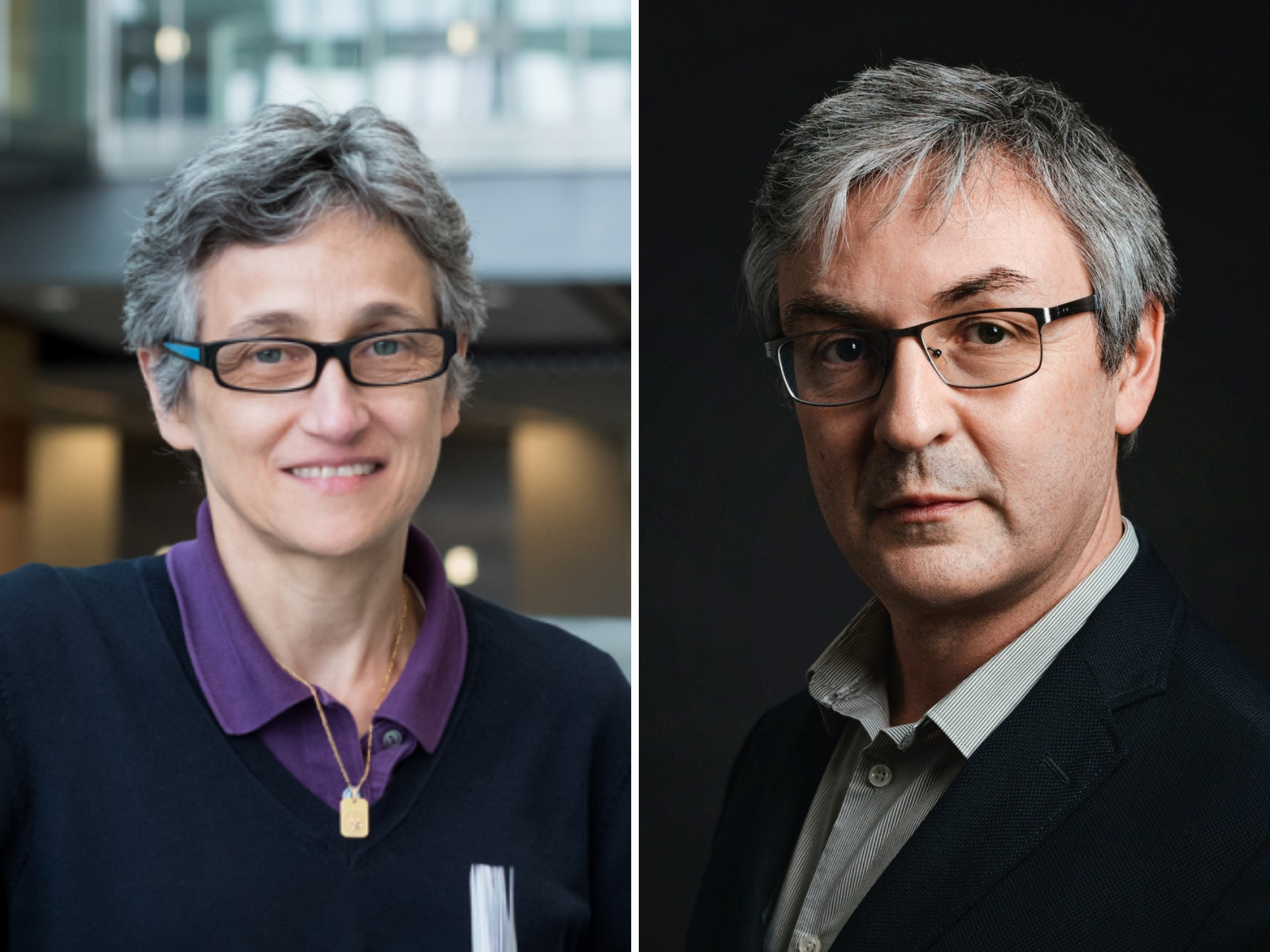
Leading researchers bring expertise in hematopoietic and muscle stem cells to the ISSCR’s open access peer-reviewed journal
The International Society for Stem Cell Research (ISSCR) announces the appointment of Dominique Bonnet, Ph.D., and Frederic Relaix, Ph.D., as Associate Editors of Stem Cell Reports, the official journal of the ISSCR.
Drs. Bonnet and Relaix bring internationally recognized expertise spanning hematopoietic and muscle stem cell biology, development, regeneration, disease modeling, and translational research. Their appointments further strengthen the journal’s editorial expertise across fundamental and disease-focused stem cell research.
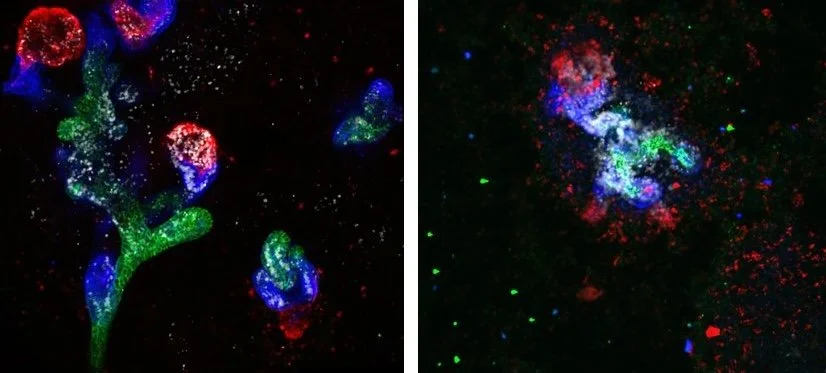
Stem cell researchers have identified inflammatory pathways that may play a key role in driving kidney damage in diabetic kidney disease (DKD), pointing to potential new approaches for protecting the kidneys. Using stem cell-derived kidney organoids, Benjamin Freedman and colleagues from the University of Washington, USA, found that exposure to high sugar levels triggered inflammation and disrupted the organoids’ typical kidney tissue-like structure, causing individual kidney cells to detach. These changes were reminiscent of those observed in kidney biopsies and urine samples from patients with DKD. The research was published today in the peer-reviewed journal, Stem Cell Reports.
On 1 September, the ISSCR submitted comments to the Food and Drug Administration’s draft guidance for Leveraging Prior Knowledge in the Development of Human Gene Therapy Products Incorporating Genome Editing. ISSCR supports FDA’s desire to share the Agency’s current thinking on the type of prior knowledge (i.e., public and platform knowledge) that may be scientifically appropriate to leverage to advance product development.
The enteric nervous system (ENS) is an intricate network of neurons and glia lining the gastrointestinal tract, regulating digestion and overall health. Loss of ENS neurons, as occurs in Hirschsprung disease, leads to intestinal obstruction, and treatment options remain limited. One therapeutic approach for the disease is stimulating resident stem cells to regenerate the ENS, and another is through cell therapy to replace the missing cells — but significant challenges remain in translating either one into treatments. Our guests today think about ENS repair through these two complementary lenses using zebrafish and stem cell-derived ENS neurons. Together, their work deepens our understanding of how the ENS develops, matures, and regenerates, and lays the groundwork for future therapies.

I am excited to have taken on the role of ISSCR President for this year, building on Hideyuki Okano’s leadership and vision.
Many of you may think of ISSCR mainly as the place we gather for the annual and regional meetings. But it is an organization doing far more. In addition to Keith Alm and his staff, ISSCR has over 150 volunteers who contribute to setting the ethical and scientific standards that guide our field, educating physicians and patients, advocating for our science with policymakers, and nurturing the next generation of researchers.
Among the many ongoing initiatives of ISSCR, I see three areas that are particularly urgent for this coming year.

Internationally recognized stem cell scientist and regenerative medicine pioneer to lead the Society during its 25th anniversary year
The International Society for Stem Cell Research (ISSCR) today announces that Lorenz Studer, M.D., founding director of the Center for Stem Cell Biology at Memorial Sloan Kettering Cancer Center, USA, has started his term as President of the Society.
Dr. Studer is known globally for his pioneering advances in stem cell biology, regenerative medicine, and the development of stem cell-based therapies for neurodegenerative disease. His research has established widely adopted methods for generating specialized neural cell types from human pluripotent stem cells, providing foundational tools for disease modeling, drug discovery, and regenerative medicine. Dr. Studer’s laboratory has also led efforts to translate these discoveries toward clinical applications, including stem cell-derived therapies for Parkinson's disease.
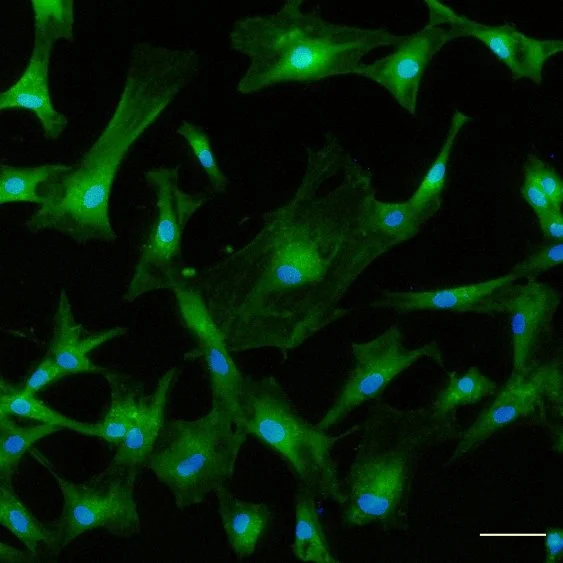
Knee osteoarthritis (KOA) affects more than 1 in 10 people over 40 years of age, impairing patients’ mobility and quality of life. With limited treatment options, stem cell injections have been promoted as a treatment option, but evidence of efficacy from clinical trials or claims from clinics selling untested options often lacking. Even where well-designed clinical trials were performed, there was no clear consensus about the benefit of stem cell injections for KOA, likely due to the many variables at play.
A major source of variability comes from the cells used for injections. Mesenchymal stromal cells (MSCs), which can be isolated from e.g. fat or bone marrow, are frequently used to treat KOA in clinical studies. Using a patient's own cells reduces the risk of an immune response and any inadvertent transmission of pathogens but the quality and the therapeutic potential of MSCs varies between patients, contributing to heterogeneous treatment outcomes. Predicting MSC potency could be a powerful tool to achieve more consistent therapeutic in such therapeutic settings.
To tackle the issue of MSC treatment heterogeneity, Sowmya Viswanathan from the Schroeder Arthritis Institute, University Health Institute, Canada, along with colleagues performed a long-term follow-up to a Health Canada-authorized phase I/IIa clinical trial (NCT02351011) with KOA patients receiving MSC injections, whereby the MSCs were derived from the patients’ own bone marrow. The work was published today in Stem Cell Reports.
Cancer immunotherapy using T cells has proven to be effective against certain blood and skin cancers but is less effective in tumors like colorectal cancer, which is one of the most frequent cancers worldwide. One primary consideration with T cell immunotherapy is that it needs to be tailored to each patient individually through time- and cost-intensive, procedures. The procedures involve isolation of a patient’s own T cells, their expansion and genetic engineering to target the cells towards the patient’s cancer cells. This complex process that limits the widespread availability of such treatments. Consequently, an “off-the-shelf” T cell immunotherapy – one that can be universally used safely in any person – that is safe and effective in a wide range of cancer patients, including patients with solid cancers, is highly desirable.
“It’s unlikely that one person or one lab will solve a problem as big as degenerative diseases...It takes a community of people in an area to solve a big problem.”
— Doug Melton, PhD | ISSCR Founding Member and Vertex Pharmaceuticals Distinguished Fellow
The White House Office of Management and Budget (OMB) has proposed a new rule titled “Regulation for Federal Financial Assistance” that will significantly reshape how the U.S. government funds and manages scientific research, including international collaborations, through the National Institutes of Health (NIH) and other agencies. All ISSCR members, regardless of whether you are U.S.-based or not, are eligible to provide comment on the proposed policy.
Though the rule is extensive and applies to all federal grantmaking, there are several areas where input from our community is critical.